Storing Summer Items: How to Pack Them Away Safely This Autumn
Storing Summer Items: How to Pack Them Away Safely This Autumn
As the days get shorter, summer belongings begin to disappear from balconies, hallways and living rooms. Garden chairs, camping equipment, suitcases, beach accessories and sports gear still need a home, however. If they remain in the flat, they can take up the space you need for coats, shoes and everyday life throughout autumn and winter.
The short answer: clean every item, let it dry completely, remove all food, liquids, fuel and other prohibited materials, use packaging suited to the item, label everything clearly, and place it in a clean, dry and stable environment. Keep the belongings you will need first in spring close to the entrance.
This guide explains how to prepare common summer items, what must stay out of a self storage unit, and how to avoid renting unnecessary space.
Why proper preparation matters
At the end of summer, many items are dusty, damp, sandy or marked with sunscreen, grease and food residue. Packing them immediately can trap moisture and dirt. After several months, this may lead to unpleasant odours, staining, corrosion or mould.
A damp tent is an obvious risk, but a muddy bicycle, greasy barbecue or wet outdoor cushions can also deteriorate. Autumn packing is a short maintenance process that can extend the life of your belongings.
A 7-step checklist for storing summer items
- Sort: decide what to keep, sell, donate, repair or dispose of.
- Clean: remove dust, sand, mud, grease and food residue.
- Dry: pack only completely dry items. Check seams, folds and hidden areas, not just the visible surface.
- Inspect: look for damage, loose screws, rust and tears. Repair what you can before storage.
- Empty: remove food, drinks, water, gas cylinders, fuel and flammable liquids.
- Pack and label: choose protection that suits the material and mark fragile contents clearly.
- Plan the layout: place heavy boxes at the bottom and frequently needed belongings near the entrance.
If you are unsure whether a particular item is accepted, check our guide to what can and cannot be stored in a storage unit, or contact us before transporting it.
Quick preparation guide by item
| Item | Preparation | Suggested protection | Important warning |
|---|---|---|---|
| Garden furniture | Clean, dry fully and dismantle if helpful | Breathable cover and labelled bags for fittings | Never wrap damp furniture in plastic |
| Bicycle | Wash, dry, inspect and maintain as instructed by the manufacturer | Stable stand or secure position with light dust protection | E-bike batteries may be subject to separate rules |
| Tent and sleeping bag | Air, clean and dry completely | Clean, dry bag or box | Remove food and gas cartridges |
| Summer clothes | Wash, treat stains and dry fully | Clean box or a garment bag suited to the fabric | Follow the care label for delicate materials |
| Suitcases | Empty every pocket and clean inside and out | Dust cover, with smaller empty bags nested inside | Remove cosmetics, food and damp textiles |
| Barbecue | Remove grease and food residue, then cool and dry completely | A fitted cover for the clean, empty appliance body | Never store gas cylinders, fuel or lighter fluid in the unit |
Garden furniture and outdoor cushions
Clean tables and chairs with a product suitable for their material, then allow them to dry fully. Wood, metal, plastic and synthetic rattan may require different care, so follow the manufacturer's instructions. Wash removable covers separately and do not pack cushions until both the cover and the filling are dry.
If the furniture can be dismantled, photograph it first. Put screws and fittings in a labelled resealable bag and attach it to one component.
Avoid sealing furniture in plastic if moisture may remain. A breathable cover is often better for dust protection. Keep outdoor cushions above heavy boxes so the filling is not distorted.
Bicycles and e-bikes
Wash mud and road dirt from the bicycle, then dry it carefully. Check the tyres, brakes and drivetrain. Maintain the chain according to the bicycle or lubricant manufacturer's instructions. If the bicycle will remain unused for several months, inspect the tyres periodically.
Store the bicycle in a stable position. Use a wall mount only if the mounting point, rack and bicycle are suitable. Keep the helmet clean, dry and free from pressure.
How should you store an e-bike battery?
Always follow the manual for your specific battery because recommended charge levels and temperatures can vary. Bosch, for example, recommends a charge level of 30 to 60 percent for the long-term storage of certain e-bike batteries. This is not a universal rule for every brand or model. The instructions supplied with your own battery take priority. You can read the manufacturer's example in the Bosch eBike Help Center.
Lithium-ion batteries may also be restricted by the storage provider's rules. Contact us before bringing an e-bike, electric scooter or separate battery. Do not transport a damaged, swollen, wet or unusually hot battery to a storage facility. Ask the manufacturer or an authorised service centre for advice.
Camping equipment: make sure it is completely dry
Shake out the tent and clean it according to its care instructions. Let it dry while fully opened, paying particular attention to seams, corners and the groundsheet. Store clean, dry poles and pegs in a separate bag so that they cannot tear the fabric.
Sleeping bags and sleeping mats must also be dry before packing. Many sleeping bags should not remain heavily compressed for months, so check the product instructions. Remove every trace of food from cookware and containers. Gas cylinders, gas cartridges, lighter fluid and other flammable products must not enter a rented storage unit.
Suitcases, beach gear and water sports equipment
Empty every suitcase pocket, vacuum the lining and clean the outer shell. Smaller, dry travel bags can be nested inside a large suitcase without straining the zip. Label the contents.
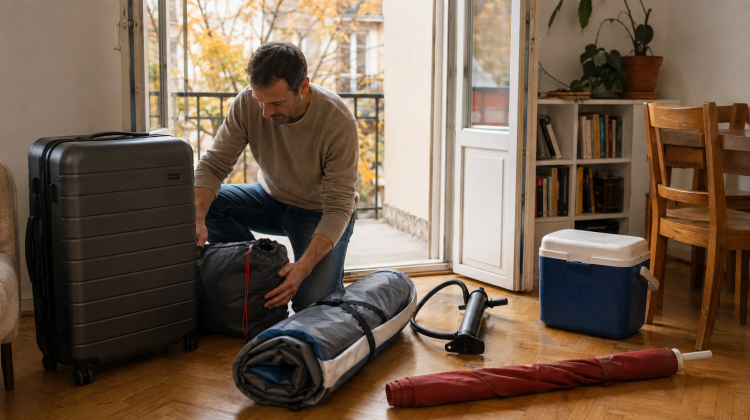
Rinse inflatable mattresses, beach toys, SUP boards and similar equipment with fresh water after exposure to salt water or chlorine. Let the item dry in folds and around valves. Deflate and roll or fold it according to the manufacturer's guidance. Secure paddles, fins and rigid parts separately so that they cannot puncture softer materials. Keep the pump and its hose together in a labelled box or bag.
Wash and dry a cooler box carefully, especially around the seal and drain plug. It must be completely empty. Even a forgotten snack or drink can cause odours and attract pests, and food is not permitted in City Storage units.
Summer clothes, shoes and household textiles
Wash everything, treat stains and let each item dry fully. Traces of perspiration, sunscreen and food can discolour over time, even when a garment looks clean.
Follow the care label for delicate fabrics and items that need to keep their shape. Vacuum bags can save space for some everyday textiles, but long-term compression is not suitable for every material or filling. Clean and dry shoes, add light shape support if needed, and place them in boxes. Do not use food-based or strongly scented homemade moth repellents, and never leave food in a storage unit.
Barbecues and garden machinery: clean and fuel-free only
Remove grease and food residue from the grate, drip tray and appliance body, then allow every part to cool and dry completely. Ask the storage provider in advance whether the clean and empty barbecue body can be accepted.
Never place a gas cylinder in an indoor self storage unit. Weber's manufacturer guidance also states that a propane cylinder must not be stored indoors. Follow the product instructions and applicable local fire safety rules when handling the cylinder. The Weber storage guide provides further information.
Handle fuel in petrol-powered garden machinery only as instructed by the manufacturer. Petrol, diesel, lighter fluid, paint thinner and other flammable liquids are not permitted in City Storage units. If you cannot safely prepare the machine without fuel or hazardous liquids, ask a qualified service centre for help.
How to arrange seasonal belongings in a storage unit
Create a photo inventory, measure large items, count the boxes and group belongings by use. Our guide to choosing the right storage unit size can help you avoid paying for unnecessary space.
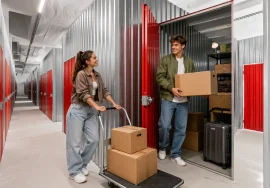
- Place heavy, stable boxes at the bottom and lighter ones above.
- Use vertical space, but only with a stable and safe arrangement.
- Leave a narrow access aisle if you may need several items during winter.
- Turn labels towards the aisle so that they remain visible.
- Keep early-season items at the front and rarely used belongings at the back.
- Do not lean long objects or a bicycle against an unstable stack of boxes.
- Keep a copy of the inventory and photographs on your phone.
What should never go into a storage unit?
City Storage units must not contain food, perishable or strongly scented goods, gas cylinders, fuel, flammable or explosive substances, hazardous chemicals, illegal items, living things, or wet and mouldy belongings. Batteries and unusual technical equipment should always be discussed with us in advance.
See the full overview in our article about allowed and prohibited storage items. If the status of an item is unclear, send us a description or photograph before you transport it.
Why use City Storage for seasonal belongings?
If cupboards, the balcony or the basement no longer provide suitable space, a separate unit can give your home back to you. City Storage offers clean, dry, climate-controlled and pest-free units from 1 to 50 m² in Budapest. CCTV monitoring, your own padlock and 24/7 key-card access make the units convenient to use.
A lift, trolleys and a pallet jack help with boxes and larger seasonal items. You can choose between our downtown location near St Stephen's Basilica and our Kispest location. Short-term and longer rentals are available, and you can move to a different unit size subject to availability.
Frequently asked questions
Can I keep a bicycle in a self storage unit?
Yes, a conventional bicycle can be stored when it is clean and dry. For an e-bike, contact us about the battery before arrival and follow its specific manufacturer instructions.
Can I store a gas barbecue?
Ask for confirmation about the completely cool, clean and empty appliance body. Gas cylinders, cartridges, lighter fluid and other flammable substances must not be brought into the unit.
Are vacuum bags suitable for summer clothes?
They can save space for some everyday textiles, but prolonged compression may damage delicate, structured or specially filled items. Check the care label first.
What size unit do I need for seasonal belongings?
It depends on the dimensions of large items, the number of boxes and whether you need an access aisle. Make a list, take photographs, measure the largest objects and ask us to help you select the right size.
How long can I rent a storage unit?
City Storage provides flexible options for both short and longer periods. If the volume of your belongings changes, you may be able to switch to another size, depending on current availability.
How can I prevent musty smells?
Pack only clean and completely dry items, avoid trapping moisture under plastic, and choose a clean, dry and climate-controlled environment. Never bring damp or mouldy belongings into the unit.
Make more room before autumn begins
Good seasonal storage starts with sorting, cleaning and drying, not with buying more boxes. Complete these three steps carefully and your equipment will be organised and ready to use next spring, while your home remains more comfortable throughout autumn and winter.
Not sure what size you need or whether a particular item is accepted? Make a list, take a few photographs and request a quote from City Storage. We will help you choose a unit that fits your belongings without paying for unnecessary space.
If you also need help with moving or packing in Budapest, contact us. We can recommend trusted partner companies that can assist with packing, transport and even the supply of suitable packing materials.