Small Apartment, Too Much Stuff? 17 Storage Ideas That Give You Space Back
Small Apartment, Too Much Stuff? 17 Storage Ideas That Give You Space Back
Quick answer: a small apartment works best when everyday items stay within easy reach, less frequently used belongings have a closed and clearly labelled place, and seasonal items do not occupy valuable living space all year. The following 17 small apartment storage ideas are practical, easy to understand and do not require a complete renovation.
Do you tidy your home only to find it cluttered again a few days later? The problem may not be a lack of discipline. It is often caused by too many items with very different patterns of use competing for the same limited space. The solution is not automatically another cupboard. The first step is deciding which belongings deserve the most accessible places in your home.

Why does a city apartment run out of space so quickly?
Budapest combines a large population with a limited amount of urban living space. According to the Hungarian Central Statistical Office, the capital had 1,685,209 residents on 1 January 2025. Its housing stock reached 977,393 dwellings on 1 January 2026. Apartment living is also typical across European cities: Eurostat reported that 73% of the EU urban population lived in flats in 2024, while 27% lived in houses.
These figures cannot determine whether your own home is overcrowded, but they show why careful use of every square metre matters in an urban environment. Eurostat also found that 92% of Hungary's population lived in an owner-occupied household in 2024. For many people, limited space is therefore not simply a short-term rental problem. It is a long-term home organisation challenge.
17 small apartment storage ideas
1. Make an inventory before buying storage furniture
Do not begin with boxes, shelves or baskets. First identify what is actually causing the shortage of space. Is it clothing, books, sports equipment, luggage, children's belongings, documents or seasonal decorations? Without a clear inventory, it is easy to buy furniture that merely creates room for further accumulation.
2. Use the full height of the wall
Vertical space is often wasted in narrow apartments. Lightweight belongings that are needed less often can go on higher shelves, while everyday items should remain between eye and waist level. Use closed, clearly labelled containers on the highest shelves so you can identify their contents without opening every box.
3. Choose furniture with more than one function
A bed with built-in drawers, a lift-up bench or a coffee table with internal compartments performs two jobs on the same floor area. Multifunctional furniture is most useful when the storage section opens easily. If an item is difficult to reach, it will soon be forgotten.
4. Use low, closed containers under the bed
The space beneath a bed can hold spare bedding, out-of-season clothing or rarely worn shoes. Choose lidded, pull-out boxes. Open storage collects dust, while packages pushed behind one another quickly become difficult to manage.
5. Use the back of suitable doors
A stable door can support a slim organiser, hooks or fabric pockets. This works particularly well in an entrance hall, bathroom or pantry. Make sure the added weight does not prevent the door from closing or damage the hinges.
6. Keep only the current season in the entrance hall
Coats, shoes and bags can quickly overwhelm the area around the front door. Keep only a small number of genuinely useful items there for each person. Winter boots should not occupy prime space in July, and a beach bag does not need to remain beside the door in January.
7. Organise the kitchen into activity zones
Group together the tools used for food preparation, cooking, breakfast and storage. Items used together should be placed together. Kitchen appliances that are rarely used do not need to occupy the worktop, but food must not be moved into a rented storage unit. Our guide to what you can and cannot keep in a storage unit explains the main restrictions.
8. Use slim vertical storage in the bathroom
A shelf above the washing machine, a mirrored cabinet and a slim rolling unit can add storage without taking much floor space. Keep only frequently used toiletries on open shelves. Put spare products in one designated basket and check expiry dates regularly.
9. Rotate your wardrobe with the seasons
A capsule wardrobe does not mean you must own very few clothes. It means the most accessible spaces contain items that suit the current season and work well together. Store clean, completely dry seasonal textiles in sealed boxes or suitable vacuum bags.
10. Prefer closed storage in the living room
Open shelves can look attractive, but too many small objects create visual noise. Display a few items you genuinely enjoy and group the rest behind doors or inside matching containers. The room will not only look larger, but calmer as well.
11. Use broad categories in a child's room
Divide toys into simple groups such as building, creative, figures, vehicles and soft toys. Add a picture as well as a word to each box if the child is young. Review outgrown clothes and age-inappropriate toys regularly, otherwise everyday favourites disappear among unused belongings.
12. Digitise paperwork selectively
Many user manuals, old invoice copies and general notes can be stored digitally. Keep original documents required for legal, financial or warranty purposes in a dry, closed and labelled folder. Before archiving business records, confirm the relevant retention and data protection requirements.
13. Use vacuum bags only for suitable materials
Vacuum bags can save considerable space when storing duvets, pillows and certain textiles. Heavy compression is not suitable for every material over long periods. Follow the manufacturer's care instructions for down filling, leather and delicate clothing, and pack only clean, completely dry items.
14. Make every box searchable from the outside
A label saying "miscellaneous" is not useful. Use specific wording such as "winter scarves and gloves" or "Christmas lights". Number the boxes and keep a short contents list on your phone. This prevents a rarely used item from requiring five boxes to be opened.
15. Follow the one-in, one-out rule
When a new coat, mug or household appliance enters the home, select one older item from the same category that can be sold, donated or recycled correctly. This is not forced minimalism. It is a simple way to protect the limited space already available.
16. Let frequency of use determine the location
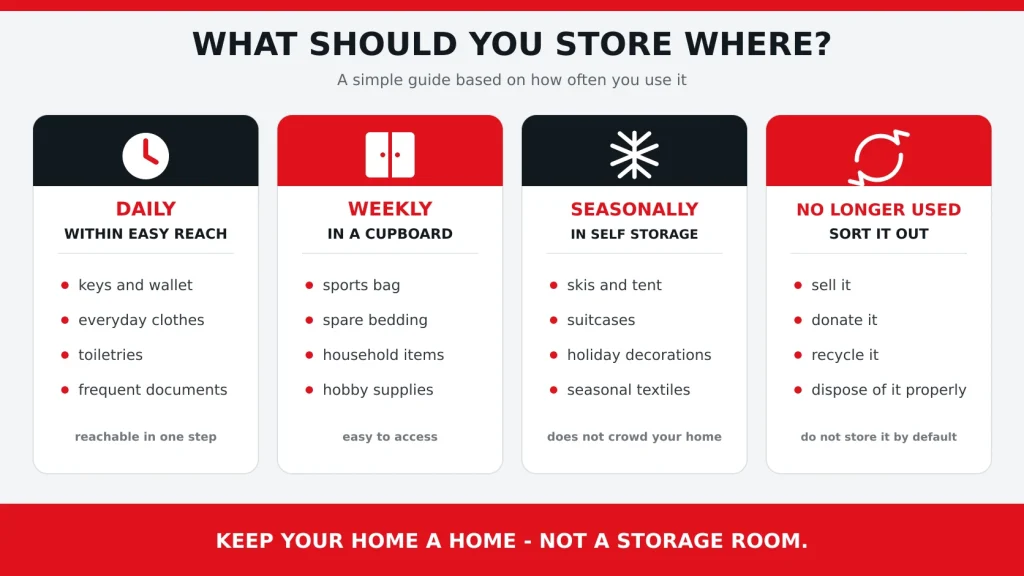
The best storage place depends primarily on how often an item is used. Daily essentials should be reachable in one step. Weekly items can remain inside a cupboard. Belongings used only during one season do not necessarily need to stay in the apartment throughout the entire year.

17. Move rarely used but necessary belongings into self storage
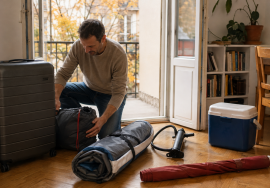
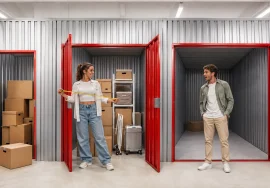
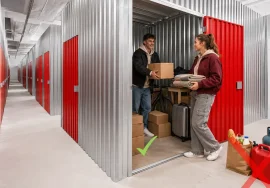
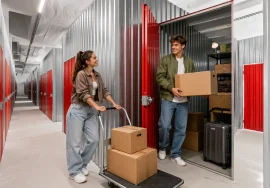
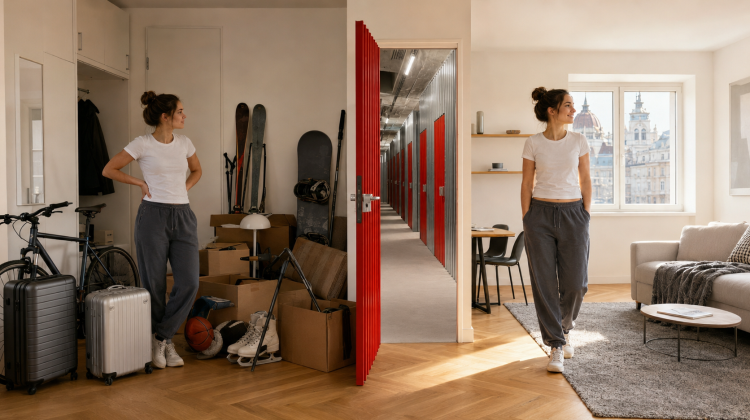
If you have removed the things you no longer need and the apartment is still crowded, you may have a capacity problem rather than an organisation problem. Skis, tents, suitcases, seasonal sports equipment, folding garden furniture, moving boxes and properly packed furniture can be suitable for a separate, lockable storage unit. You can find more information about the Budapest facility on the City Storage downtown storage page.
What should you store where? A quick decision table
| Frequency of use | Recommended location | Examples | Action |
|---|---|---|---|
| Daily | Within easy reach | Keys, everyday clothes, toiletries | Make them reachable in one step |
| Weekly | In a cupboard or drawer | Sports bag, hobby supplies, spare bedding | Group and label them |
| Seasonally | High shelf or self storage | Skis, tent, luggage, holiday decorations | Clean, dry, pack and label |
| No longer used | Do not store automatically | Duplicates, outgrown or broken items | Sell, donate or recycle |
When is another cupboard not enough?
Another cupboard is not enough when rarely used belongings that you genuinely want to keep occupy most of the available space. In that situation, more furniture merely relocates the problem and reduces the free floor area further. Self storage can be practical when the belongings are legally permitted, non-perishable, non-hazardous, properly packed and needed only occasionally.
If you are unsure how much space you need, read our guide on choosing the right storage unit size. Before renting, you can also use our 9-point Budapest storage checklist and the storage rental FAQ.
Which belongings are suitable for a separate storage unit?
- seasonal sports equipment such as skis, snowboards and camping equipment;
- suitcases and travel accessories;
- holiday decorations and an artificial Christmas tree;
- properly packed furniture during a move or renovation;
- clean, dry seasonal textiles in closed containers;
- rarely used, non-hazardous hobby and household equipment.
Food, living creatures, cash, jewellery, hazardous materials, fuel, weapons, waste, works of art and irreplaceable sentimental objects do not belong in a rented storage unit. Always check the full restrictions in the rental agreement and the applicable terms and conditions.
How to start today without becoming overwhelmed
- Choose one small area, such as the entrance hall or a single cupboard shelf.
- Create four groups: daily, weekly, seasonal and no longer used.
- Decide immediately what happens to unused items: sell, donate or recycle.
- Clean, dry, pack and label seasonal belongings.
- Only then decide whether you need new furniture or a separate storage unit.
Frequently asked questions about storage in a small apartment
How can I create more space in a small apartment?
Sort belongings by frequency of use, make use of vertical and concealed spaces, choose multifunctional furniture and separate seasonal items from the everyday living area.
What should always remain within easy reach?
Keep everyday essentials close at hand, including keys, daily clothing, toiletries, regularly required medication and frequently used documents. Give each of them a permanent and easily accessible place.
What can I keep in a self storage unit?
Generally, you can store properly packed furniture, moving boxes, seasonal sports equipment, luggage, decorations and other dry, non-hazardous belongings. The specific rules are always determined by the provider's rental agreement and terms and conditions.
Are vacuum bags useful in a small apartment?
Yes. They can save significant space with suitable duvets and textiles. Pack only clean, completely dry belongings and follow the manufacturer's care instructions for delicate materials.
Should I choose transparent or opaque boxes?
Either can work if the label is specific. Matching opaque boxes create a calmer appearance on open shelves, while transparent containers can make searching faster inside a cupboard or storage unit.
What must not be kept in a rented storage unit?
Restricted items include food, living creatures, cash, jewellery, hazardous or flammable materials, fuel, weapons, waste, works of art and irreplaceable sentimental belongings. Read the complete list before renting.
What size storage unit is suitable for seasonal belongings?
The answer depends on the quantity, dimensions and stackability of the items. Make a detailed list, measure larger pieces and leave an access path if you will need to retrieve belongings during the rental period.
Keep your home a home
If seasonal belongings still occupy your living space after decluttering and reorganising, ask for help choosing a suitable unit. City Storage Budapest provides a separate, lockable space for belongings you want to keep but do not want to navigate around every day.
Sources